
History of engraving
 The engraving technique has contributed to the culture formation in all parts of the world. The engraving has turned from just a means of communication into an artistic medium highly valued by creators for unique properties. Before making a print, the artist creates a drawing on a flat surface, covers it with ink and presses it into the paper. By repeating this movement, an artist can create many original pieces.
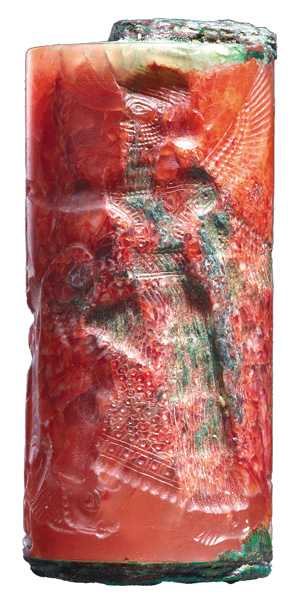
The history of engraving begins in prehistoric times: our ancestors used their hands as "stencils", applying them to the walls of caves and outlining with dye, thereby creating repeating images. In about 500 BC the ancient Sumerians carved images on cylindrical seals. They made an impression on wet clay, thereby creating many identical images to indicate the belonging of objects. As early as 200 AD Chinese could print on paper or silk.
A turning point in the history of engraving was the invention of paper: it was affordable and well suited for printing. So, along with paper, the art of engraving - already technologically more complex - "moved" to other Asian countries, the Middle East and Europe.
Engraving was originally more a means of communication as the technique. It allowed artists to distribute their works to more people. From the VIII AD Japanese use the engraving technique to make copies of Buddhist manuscripts. In the XIV century in Europe, woodcuts gained popularity - it was easier to spread Christian images among the common people, since they were more accessible than "classical" paintings painted with oil paints. Emerging in the XV century of the printed Bible by Gutenberg started a new stage in peoples' development of literacy.

Since the Renaissance, many artists have succeeded in creating stunning prints. Albrecht Durer amazed the public in the XV century with exquisite rendering of details in their paintings and engravings. Two centuries later, Rembrandt created more than 300 engravings using the intaglio engraving technique. Around the same time, Japanese artist Katsushika Hokusai broght woodcut technology to a new level. His work would later impress the famous Vincent van Gogh. Over time, new techniques and corresponding tools appeared in the arsenal of engraving artists: etching, mezzotinto, lithography, mono- and screen printing. With the development and complication of the engraving process, artists gathered in workshops and worked under the supervision of master engravers.
The end of the XIX century - the dawn of engraving in Europe and the United States. Many artists have done this: Turner, Whistler, Blake, Degas, Cassette, Goya, Chagall, Matisse, Munch, Picasso, Miro, Arp, Ernst, Dali, Kollwitz, Beckmann, Barlach, Kandinsky, Klee, Hopper and others.
During this same period, artists around the world also perfected the art of engraving. For example, Japanese artists focused on ukiyo-e, a traditional, colorful Japanese woodcut with scenes from mythology and everyday life. Mexican artists such as Jose Posada chose the art of engraving for its beauty and social context potencial. The famous Taller de Gráfica Popular (Folk Graphic Workshop) in Mexico has provided resources and inspiration to an entire generation of artists.
The process of creating an engraving
Typically, the engraving technique allows the artist to create several original pieces of art. Often the image is drawn on a surface made of metal, stone, wood etc. Next ink is applied to this surface and only then transferred - sometimes under pressure - onto paper.
Monoprinting
Monoprinting, or monotype, is an image that, unlike other types of engravings, can be printed once in its original state. At the same time, it is this technique that produces the most color-saturated engraving. The artist applies the image with ink on a smooth surface (organic glass, metal, cardboard), previously coated with varnish. Then a wet sheet of paper is placed on the surface and passed together through a press. Alternatively, the artist can transfer the image by hand using the back of a scrubbing spoon.
Intaglio, or gravure printing
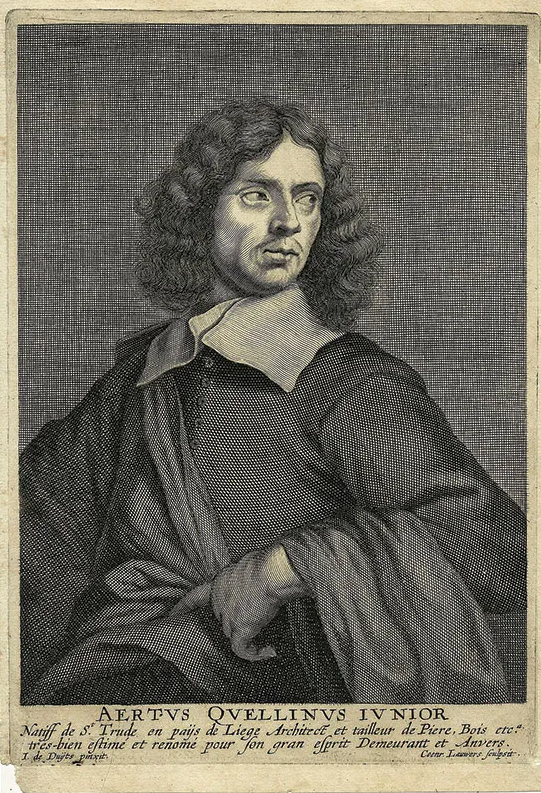
The artist creates the image with various tools and acids, carving indentations in a metal surface (most often zinc, copper or brass). Then these indentations are filled with paint, and the irregularities are overwritten. A wet sheet of paper is placed on a metal surface, and together they are put through a press under very high pressure to absorb the ink. This gravure printing helps to achieve crisp lines in dark velvety shades. Intaglio technique has 4 variations - engraving, drypoint, aquatint and etching.
- Engraving: With a steel cutter artist draws sharp and clear lines on a copper or brass surface. The deeper the cut, the wider the line is, and the voids inside the image are filled with strokes or parallel lines. This technique gives a very clear image.
- Drypoint: Artist applies an image to a metal surface with a sharp needle. The ink is applied and remains in the recesses of the needle. After the surface is wiped, it gives unique soft lines of image.
- Aquatint: Artist "draws" a contour on a metal surface with rosin - an acid-resistant powder that sticks when heated - applying it unevenly. The surface is then placed in acid, which corrodes the surface around the rosin. The result is a beautiful play of dark and light shades.
- Etching: Copper, zinc or brass surfaces are coated with an acid-resistant substance made of asphalt, beeswax, rosin and solvent. After drawing a pattern onto a substance using a special needle or other sharp object, the surface is immersed in acid, where the acid eats away at the contours of the image. The longer the metal surface is in acid, the deeper the contours, resulting in wide lines and dark colors.
Collagraphy
Collagraphy consists of various elements that are glued onto cardboard and then varnished. Then ink is applied to the surface, and it is passed through a press.
Mezzotint
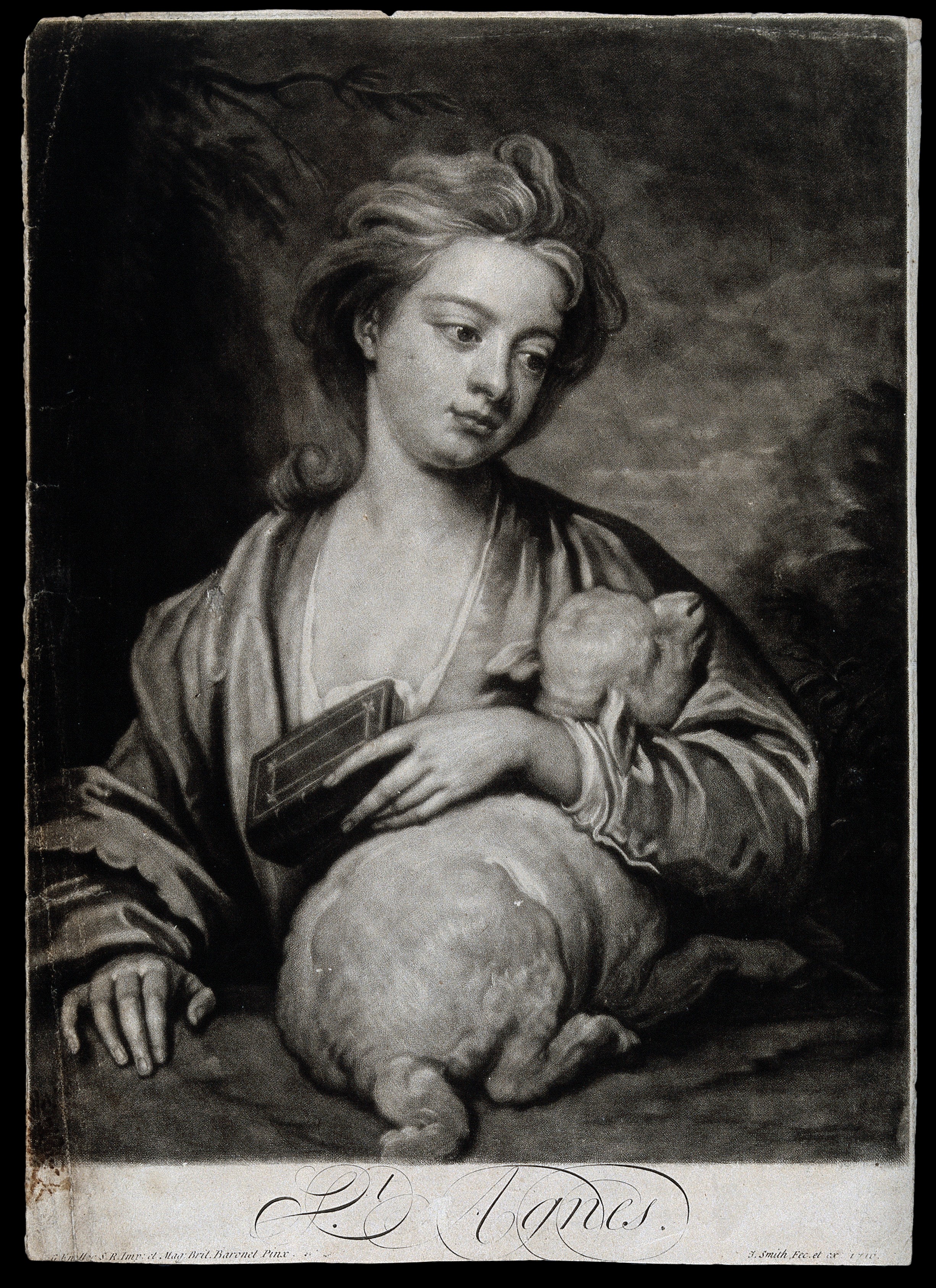
This technique is notable for its rich, velvety dark shades. Artist rolls a curved gear rocker from side to side on a copper surface, as a result of which the entire surface becomes strewn with many small holes with jagged edges. After roughening the surface, the artist can, with the help of a scraper or polisher, highlight some areas on the surface, smoothing them out - this gives soft shades of light gray and black in the image.
Relief engraving
The image is created on the raised part of surface after artist has cut out those elements that should remain white. Relief engraving is considered the oldest technique, characterized by bright contrasts of dark and light tones. Artist carves parts from wood or linoleum. As a result, the colored raised areas will form the image, while the cut areas will remain white. With a roller artist spreads the ink over the raised areas and then places a sheet of paper on top of it. The image is transferred to the paper either by rubbing the back of the paper (hand polishing) or through a press. The three types of relief engraving are woodcut, wood engraving and linocut.
- Woodcut: The image is carved into the wooden parts of the longitudinal cut of the tree trunk. Since this part of the wood is very sturdy, it can be very difficult to achieve detail at times. However, in the case of using softer varieties of wood, their structure is visible, which can also be part of the completed image.
- Wood engraving: The image is cut at the end of the wooden surface, so the elements of the material structure are not visible. This technique gives a more detailed image compared to other woodcuts.
- Linocut: The artist carves the image on linoleum reinforced with wood. Since linoleum has no fibers, the linoleum engraving technique produces curved and moderately detailed lines.
Screen printing
The artist creates a screen by tightly stretching and fixing a thin fabric - usually monofilament polyester - on a sturdy wooden or metal frame. The necessary areas on the screen are closed with glue, paper, shellac, film stencils or photographic materials. The remaining open ones are printed. Then artist puts the screen on a sheet of paper or other material, and spreads ink over the entire area of the screen. Ink seeps through the open areas to create an image. Subsequently, author can create more such stencils, or create multi-layered images with different colors and elements.
.jpg)
Lithography
The technique allows to create an engraving with a wide range of shades, which makes the lithograph look like one written in charcoal or paints. In the process, the artist uses bold crayons or ink, painting on a smooth, even limestone surface or grained metal (for example, aluminum or zinc). Then the image is processed with a mixture of diluted nitric acid and gum arabic: the coloring materials are fixed to the surface and the ink does not fall on other areas. After that, the surface is washed a little with water and after that it is covered with ink - the water prevents the ink from staining empty areas, only processed ones. And finally, the image is transferred to paper under a special press.
Another type of lithography is chromolithography. While creating, several printing plates of different colors are used (usually 20). The printing plate is applied to a stone or zinc plate with a pre-applied contour of the color spot. Typically, the chromolithography technique was used to create reproductions of more famous paintings, as well as to print playing cards.
Our website https://watel-antik.com/en/ and our gallery Watel present a number of antique engravings made by European masters, with an attribution of French auction houses.


